
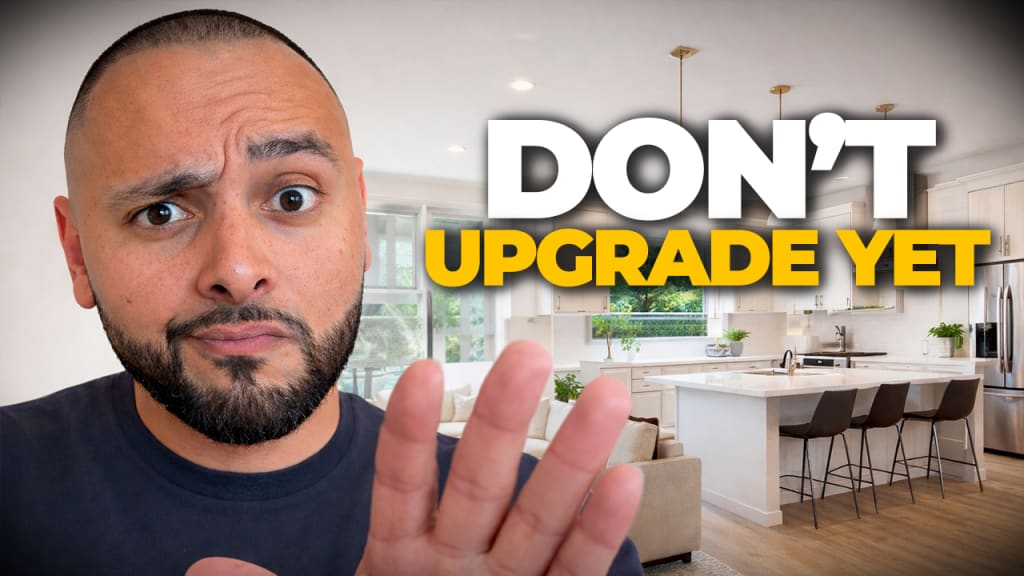
Upgrading in Weber County? Don’t Overpay in 2026
If you’re thinking about upgrading your home in Weber County in 2026, you’re not alone. Many homeowners are feeling the pressure of outgrowing their current space — whether it’s a growing family, a work-from-home shift, or simply wanting a home that better matches their lifestyle.
But here’s the uncomfortable truth:
Most move-up buyers overpay — not because they make reckless decisions, but because they approach upgrading in the wrong order.
The Biggest Mistake Move-Up Buyers Make
Most families start by shopping for homes.
They browse listings.
They tour properties.
They fall in love with layouts.
And only after that do they try to make the numbers work.
That’s backwards.
Upgrading should start with clarity on your equity, your realistic net proceeds, and the true monthly difference between your current payment and your future one.
When buyers shop emotionally first and financially second, they lose leverage. They stretch further than planned. And often, they regret it later.
Why 2026 Is a Strategy Market — Not a Waiting Market
Weber County right now is not a crash market, and it’s not a frenzy market.
It’s a strategy market.
Inventory levels are moderate. Buyers are active but selective. And new construction — especially in areas like West Haven — is creating unique opportunities through incentives rather than price cuts.
That means builders are often offering:
-
Rate buy-downs
-
Closing cost credits
-
Structural upgrades
These incentives can dramatically affect your monthly payment — sometimes more than a simple price reduction would.
The key is understanding how those incentives interact with your equity position.
The 3-Question Upgrade Filter
Before seriously touring homes, you should be able to confidently answer three questions:
1. What will your home realistically net if you sell today?
Not a hopeful number. A realistic one after fees and market positioning.
2. Does the new home meaningfully improve your daily life?
Are you reducing commute time, gaining functional layout space, improving school proximity, or lowering maintenance stress?
3. If incentives disappeared tomorrow, would the deal still feel safe?
Incentives are powerful — but you don’t want your entire upgrade to depend on them.
When all three align, upgrading feels calm. When they don’t, it feels rushed.
When You Should NOT Upgrade
Upgrading is not automatically the right move.
Sometimes staying in your current home and improving it makes more financial sense. Sometimes waiting another year strengthens your equity position. Sometimes the lifestyle gain just isn’t strong enough to justify the move.
The goal isn’t to upgrade your house.
The goal is to upgrade your life.
Final Thoughts
If you’re considering upgrading in Weber County in 2026, don’t rush the process. Don’t chase headlines. And don’t assume waiting automatically protects you.
Clarity beats timing.
If you want a personalized breakdown of what upgrading would look like in your specific situation, reach out. Understanding your numbers is the first step toward making a confident decision.